8339901911 often appears in telemarketing or scam contexts, not as a random sequence. It may signal unwanted contact or misdialed attempts. Legitimate calls usually come from verifiable numbers with clear purpose and consistent branding. The line between genuine and fraudulent can blur quickly, with red flags including urgency, vague details, or requests for personal data. Practical protection exists, but vigilance remains necessary—the next move could determine whether this number stays nuisance or becomes a solvable concern.
What 8339901911 Might Mean and Why It Appears
It is unclear at first glance why the number 8339901911 appears, but it typically signals a phone number associated with telemarketing, scams, or misdialed calls rather than a random sequence.
The 844 possibility is linked to uncertain origins, but awareness remains crucial.
Caller ID can expose patterns, enabling users to assess risk, block numbers, and preserve autonomy over communications.
How to Spot Legitimate Calls, Texts, and Alerts
Likely signals of legitimacy can be discerned by evaluating caller information, message content, and sender credibility. Legitimate calls, texts, and alerts come from verifiable numbers, clear purposes, and proper branding. Assess consistency across channels, avoid urgent demands, and verify through official contacts. This approach supports legitimate communication and enhances scam awareness while preserving user autonomy and personal security in digital interactions.
Common Scams and Red Flags Linked to 8339901911
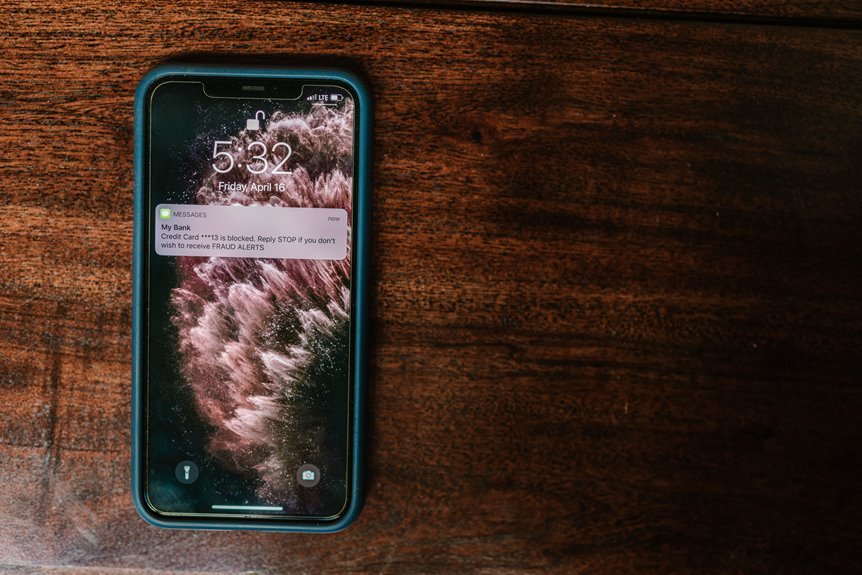
Common scams and red flags linked to 8339901911 include unsolicited calls or texts claiming urgent action, vague or mismatched details about the caller’s purpose, and requests for personal information or payment.
This analysis highlights scam indicators and caller behavior, guiding readers to assess intent, verify identity, and respond with caution rather than compliance, preserving autonomy and digital risk awareness.
Practical Steps to Protect Your Information and Your Wallet
Practical steps to protect information and finances begin with alert, deliberate action: users should verify caller identity, secure devices, and minimize exposure to risk. In practice, individuals maintain safe contact by configuring privacy settings, enabling multi-factor authentication, and updating software promptly.
Continuous scam awareness informs decisions, reduces impulsive responses, and reinforces boundaries. Structured routines support freedom from intrusion and financial vulnerability.
Frequently Asked Questions
Can 8339901911 Be Associated With Legitimate Government Agencies?
Yes, 8339901911 cannot be reliably associated with legitimate government agencies; call-back verification is essential. The existence of regional patterns may mislead, but legitimate government agencies usually provide verifiable channels and official contact procedures.
Do Call-Back Numbers Always Verify if Suspicious or Not?
Call-back verification does not always reveal suspicion; callers should not rely solely on it. The process may misrepresent, while legitimate government associations exist but are not guaranteed. Caution remains essential when evaluating calls requesting sensitive information.
How Often Are 8339901911 Numbers Reused by Scammers?
Recent data show reuse occurs within weeks for many scam campaigns. The 8339901911 pattern repeats, reflecting high risk patterns and caller ID manipulation; such tactics exploit trust and rapid rotation. Awareness reduces vulnerability and preserves personal autonomy.
Can Business Lines Be Spoofed to Appear as 8339901911?
Yes, business lines can be spoofed to appear as 8339901911. The discussion highlights scammer tactics and spoofed numbers, emphasizing verification and skepticism as essential safeguards for audiences seeking freedom from fraud while maintaining operational integrity.
What Cultural or Regional Patterns Influence These Scams?
Suspense grips as patterns emerge: scam origin and regional trends shape schemes, with certain regions reporting targeted social-engineering cues and language nuances. These cultural cues influence delivery timing, voice, and assumed legitimacy, guiding scammers’ geographic and demographic choices.
Conclusion
In closing, cautious consumers confront covert calls, cataloging clues and curbing risk. Clear, consistent communications convey credibility; careless curiosities invite compromise. Verify voices, validate vendors, and veto vague requests. Vigilant vigilance vanquishes vexations, while layered protections—multi-factor authentication, robust passwords, and tight privacy settings—keep pockets protected. Persistent awareness prevents pervasive phishing plans and persistent pressure tactics. Practiced prudence provides peace, preserving personal security, financial safety, and digital autonomy against disruptive, deceptive dealings.