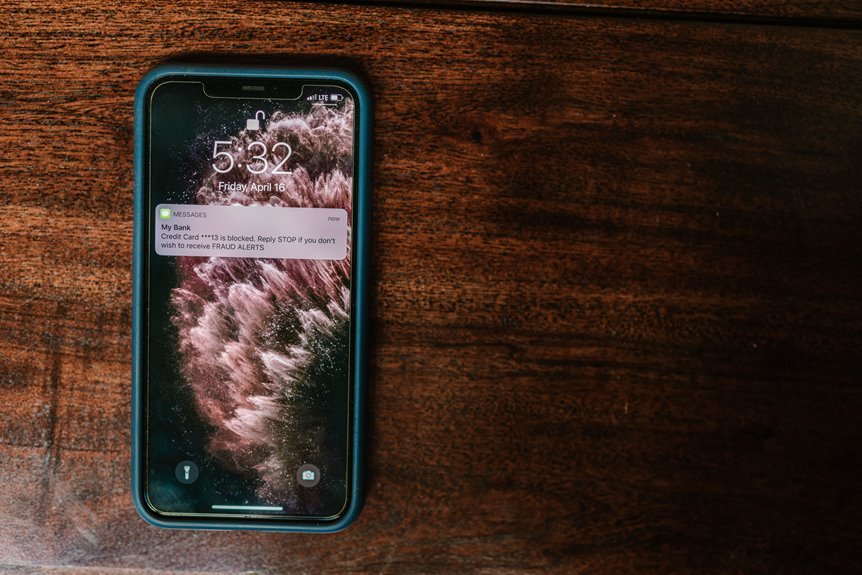
The number 781-365-5782 may indicate patterns worth evaluating rather than outright assuming malicious intent. Its cadence, timing, and context can reveal possible purposes, though red flags remain—unexpected prompts or requests for personal data require caution. Independent verification, corroboration of caller identity, and documented evidence are prudent steps. If suspicion persists, consider targeted blocking, reduced data sharing, and privacy controls to build repeatable safeguards and maintain situational awareness for future inquiries.
What 781-365-5782 Might Be Trying to Tell You
The number 781-365-5782, when encountered, is best interpreted as a communication signal rather than an extraneous call, message, or recorded prompt. The evaluation focuses on pattern cues, timing, and phrasing to infer purpose.
781 365 5782 insights emerge from frequency, cadence, and caller intent, guiding users toward informed interpretation without surrendering autonomy or assuming malicious behavior.
Red Flags That Signal Scam or Spoofing
Red flags that signal scam or spoofing in relation to the number 781-365-5782 are best identified through cautious pattern recognition: unexpected calls, unfamiliar caller prompts, or requests for personal information should trigger heightened scrutiny.
Detected inconsistencies—press numbers, spoofing alerts, or vague assurances—undermine legitimacy.
Analysts emphasize verification steps, corroboration, and restrained disclosures to preserve user autonomy and minimize risk.
Red flags, spoofing alerts.
Practical Steps to Verify, Block, and Protect Your Privacy
Practical steps to verify, block, and protect privacy build on the awareness established by prior red flags, focusing on methodical verification, targeted blocking, and data-minimizing practices. The approach emphasizes privacy warnings assessment, corroborated caller verification, and minimal data exposure. Operators should document evidence, enable verification prompts, and apply persistent filters, ensuring freedom through informed, precise, and cautious boundary-setting against intrusive inquiries.
Proactive Habits to Minimize Future Risk and Stay Informed
Are ongoing safeguards sufficient to prevent future exposure, or must individuals adopt deliberate, repeatable routines to stay ahead of evolving calling patterns and data-collection tactics?
The discussion remains analytic: proactive habits center on context awareness and privacy hygiene, enabling anticipatory risk assessment, disciplined monitoring, and disciplined updates to permissions and sources.
This approach supports informed autonomy while acknowledging persistent, evolving threats.
Frequently Asked Questions
Can Legitimate Calls Come From This Number?
Legitimate calls can originate from this number, though verification is essential. The analysis notes potential spoofing risks; callers should perform rigorous Caller verification, cross-check contact details, and consider additional authentication before sharing sensitive information. Proceed with cautious, freedom-respecting scrutiny.
How Can My Device Identify Spoofed Calls?
Satirically noting irony, the device attempts caller authentication, yet often fails; its analysis detects spoofing indicators and flags doubtful origins. It remains analytical, precise, cautious, empowering users who seek freedom while understanding telecommunications safeguards.
Are There Legal Remedies for Caller ID Spoofing?
Yes, legal remedies exist for caller ID spoofing, though outcomes vary by jurisdiction; they include civil and criminal actions, penalties, and restitution. The analysis emphasizes enforcement challenges and the necessity of robust evidence in pursuing caller ID spoofing cases.
What Data Does a Caller Need to Extract?
One in five reported invasions relates to data exposure; the caller needs access to limited call metadata and basic device identifiers. Data privacy concerns arise, demanding caution: only essential data should be collected, minimizing unnecessary call metadata.
How Effective Are Spam Filters Against This Number?
Spam filters vary in effectiveness against this number; spoofing awareness and device identification improve resilience, while data extraction attempts can reveal patterns. Legal remedies exist, and ongoing evaluation is essential as techniques evolve, enabling informed user autonomy and protection.
Conclusion
The caller pattern from 781-365-5782 invites scrutiny, not assumption. In a quiet, analytic frame, patterns—timing, cadence, and context—hint at purpose without declaring intent. Red flags emerge only after corroboration and cross-checking. As evidence accumulates, one must block or minimize exposure if trust cannot be restored. Yet, the data remains incomplete, leaving a cautious path forward: verify, document, and implement privacy controls, so vigilance itself becomes the predictable rhythm of safer communication.